The supermarket bakery has become one of the strongest departments in North American grocery. According to FMI’s Power of Foodservice at Retail 2025 report, US in-store bakery sales reached about $21 billion in the 52 weeks to 9 August 2025, up 2.6% in dollars and 1% in units.
Almost every household takes part: 91.3% of US households bought from the in-store bakery at least once in that period, with an average spend per buyer of $156.
Where the growth is
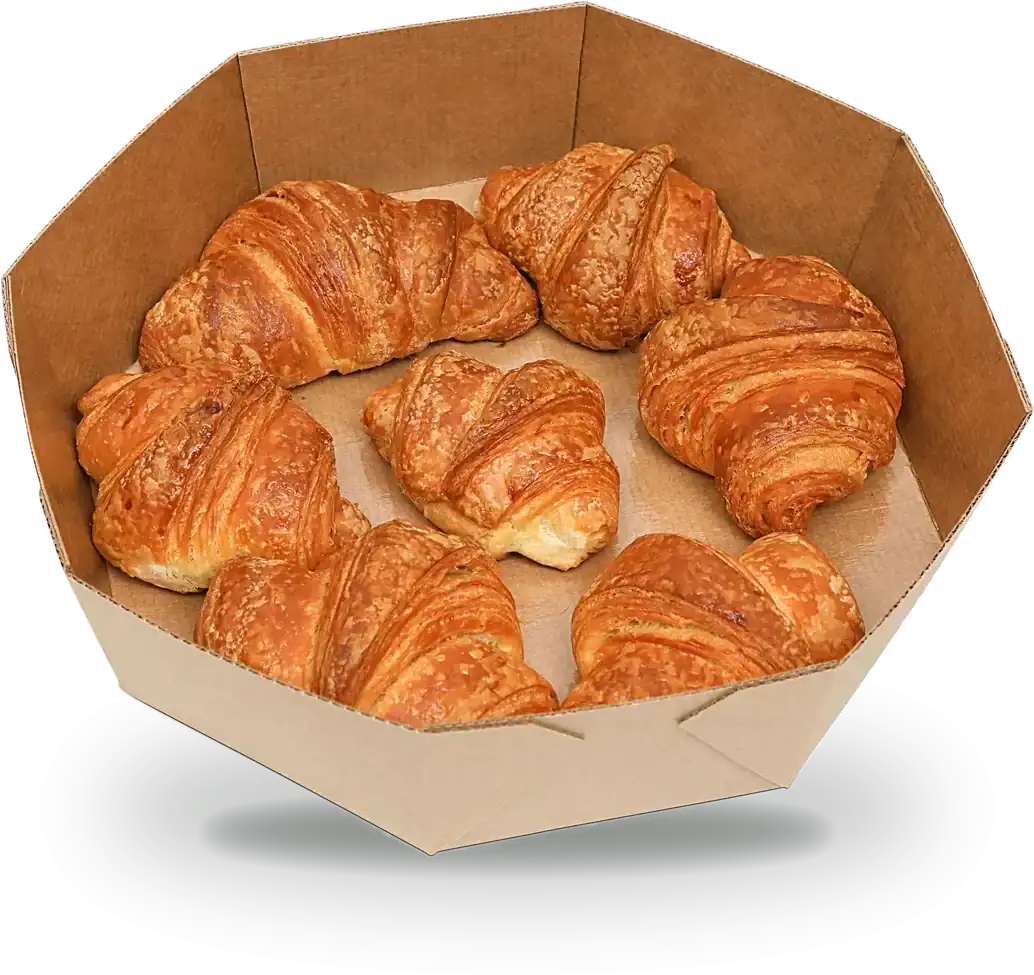
Growth is concentrated in individual, indulgent and freshly baked items. In the same FMI data, croissant dollar sales rose 12.8% and unit sales 11.3%, and muffin sales grew 9%. Pies and artisan breads declined in both dollars and units.
Retailers see freshness as the point of difference. In an FMI retailer study, 84% of retailers described their fresh in-store bakery as a competitive advantage, and Innova Market Insights reports that half of consumers name freshness as the deciding factor when buying fresh bread.
The operational challenge: fresh, all day, with fewer hands
Freshness means baking more often in smaller batches. Most in-store bakeries do this with frozen or par-baked products, finished in the store’s oven. Every extra step between oven and shelf costs labour: greasing pans, de-panning, transferring to a retail pack, labelling, washing and re-stacking trays.
That is why the format the product is baked in matters as much as the recipe.
What a bake-and-sell tray changes
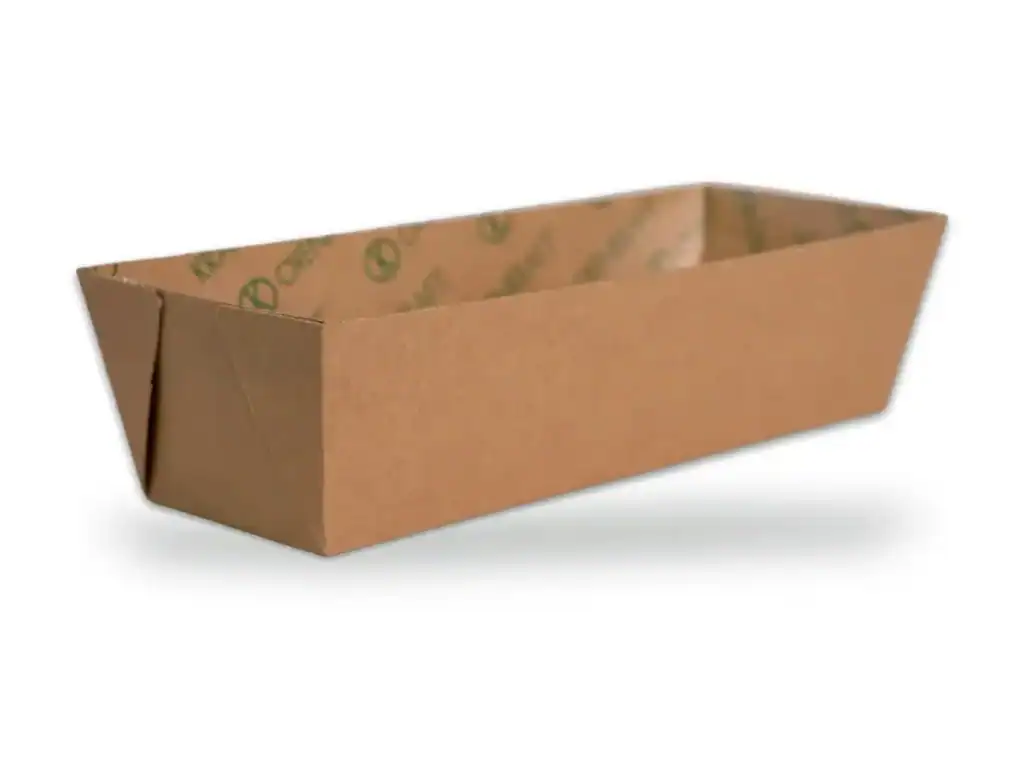
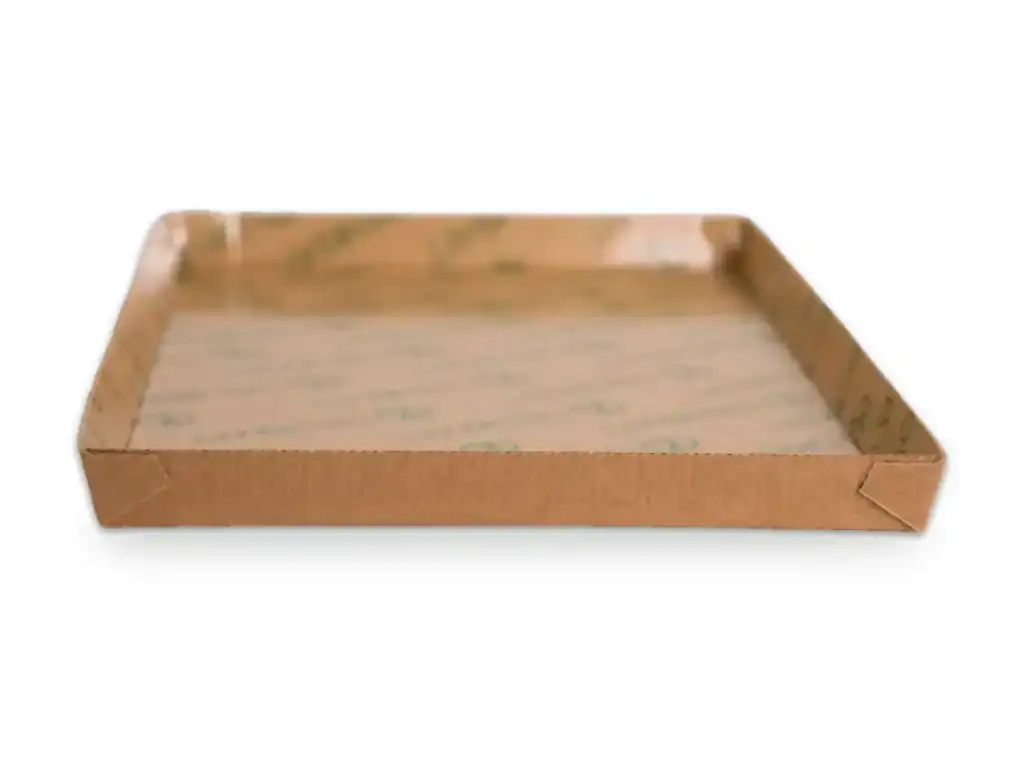
A bake-and-sell tray is the baking form and the retail pack in one. The product is deposited or placed in the tray at the plant, frozen, shipped, baked in store and sold in the same tray.
| Step | Metal pan | Bake-and-sell tray |
|---|---|---|
| Greasing or lining | Required | Not required |
| De-panning | Required | Not required |
| Transfer to retail pack | Required | Not required |
| Washing and storing pans | Required | Not required |
| Shelf presentation | Separate pack | Baked look, ready to sell |
For the producer, the same tray carries the product from the depositor through the blast freezer and distribution. For the retailer, the product goes from freezer to oven to shelf without being touched.
Formats that match the growth categories
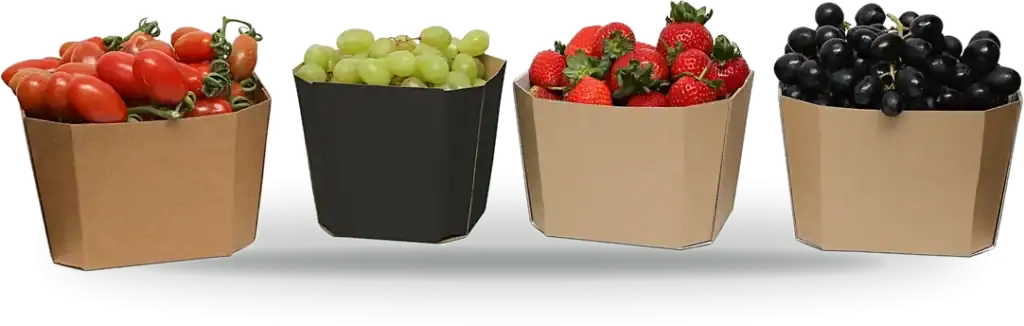
- Croissants and viennoiserie: shallow and octagonal trays that hold shape through proofing and baking.
- Muffins and loaf cakes: loaf pans and baking trays sized for single and family portions.
- Sweet goods and cakes: cake bases and trays that present the product without a second pack.
What to check before switching
- The tray’s rated temperature range covers the store’s oven profile and the producer’s freezing step.
- The tray runs on the producer’s depositing and packing line without stoppages.
- The finished product looks right on the shelf in the tray it was baked in.
- The total cost per baked unit, including labour removed in store, beats the current format.
Our article on total cost per baked unit shows how to build that comparison. G-Flute trays are rated from −28 to +220 °C and come in kraft, dark kraft, black and white finishes for retail display. See bakery formats.
Sources: FMI, The Power of Foodservice at Retail 2025, as reported by The Shelby Report; Innova Market Insights, Bakery Trends 2025.