
Small plastic punnets and trays for fruit and vegetables are among the first formats the EU has put a date on. Under Annex V of the Packaging and Packaging Waste Regulation, single-use plastic packaging for prepacked fresh fruit and vegetables under 1.5 kg is restricted from 1 January 2030.
For growers, packers and retailers, that leaves a few seasons to qualify alternatives that protect the product as well as plastic does.
What the rule covers
The restriction applies to single-use plastic packaging for prepacked fresh fruit and vegetables in quantities below 1.5 kg. Member States may allow exemptions where a specific need is demonstrated, for example a real risk of water loss, loss of turgidity, microbial hazard or physical damage for sensitive produce.
Several countries moved earlier. France, for example, has restricted plastic packaging for many whole fruits and vegetables under its AGEC anti-waste law since 2022. Retailers selling across several markets often apply the strictest rule to their whole range.
What fiber packaging has to deliver
Replacing a plastic punnet is not only a material change. The new pack has to do the same jobs:
- Protect: hold its shape when stacked, chilled and handled, without crushing soft produce.
- Cope with moisture: stay rigid in cold rooms and through condensation in the supply chain.
- Run on the line: de-nest, fill and close on existing packing equipment at the same speed.
- Sell: show the product clearly and carry branding on the shelf.
How corrugated fiber trays meet those needs
Corrugated board gets its stiffness from geometry. A fluted medium bonded between liners resists bending far better than flat paper of the same weight, which is why a fine-flute board can make a light tray that still stacks.
A thin functional film on the inner face adds resistance to moisture where the product needs it. Print on the outer liner turns the tray into the retail display.
Planning the switch
- List your formats by product, pack weight and current material. Start with the ones under 1.5 kg.
- Group products by sensitivity. Hard produce such as tomatoes and peppers is usually the easiest place to start.
- Match formats to your line: share dimensions, filling method and closing method (lid, flow wrap or film).
- Trial through the full cold chain, from packing to the end of shelf life in store.
- Check the market rules in every country you ship to, including national exemptions.
Fresh produce formats in G-Flute and F-Flute
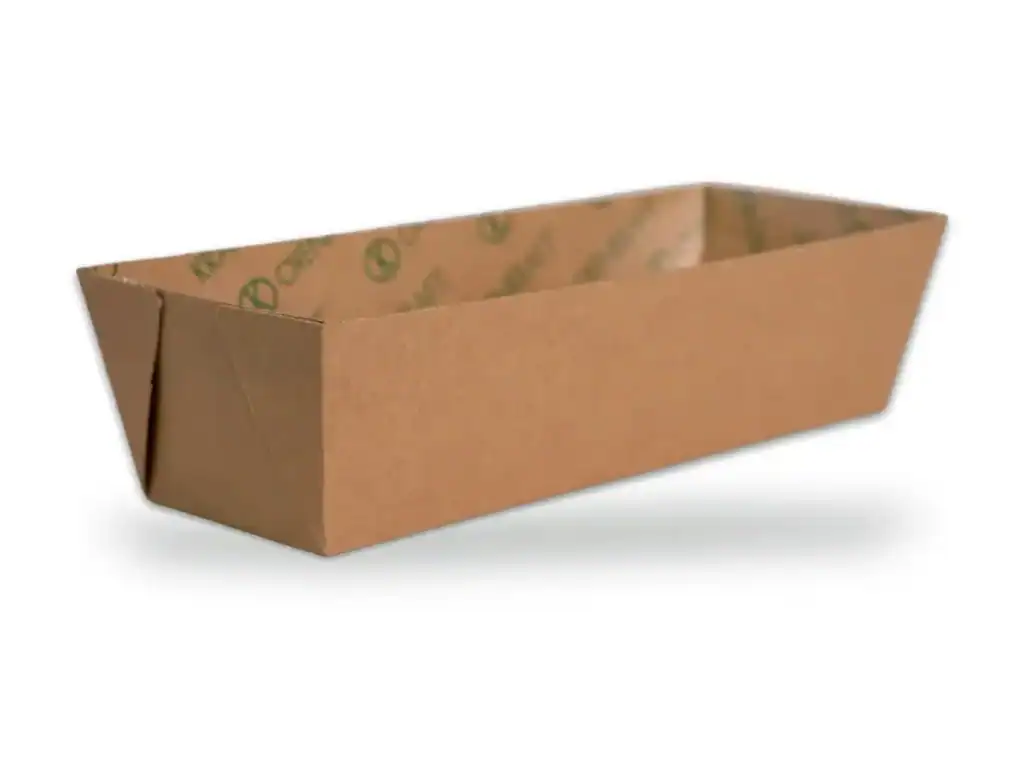
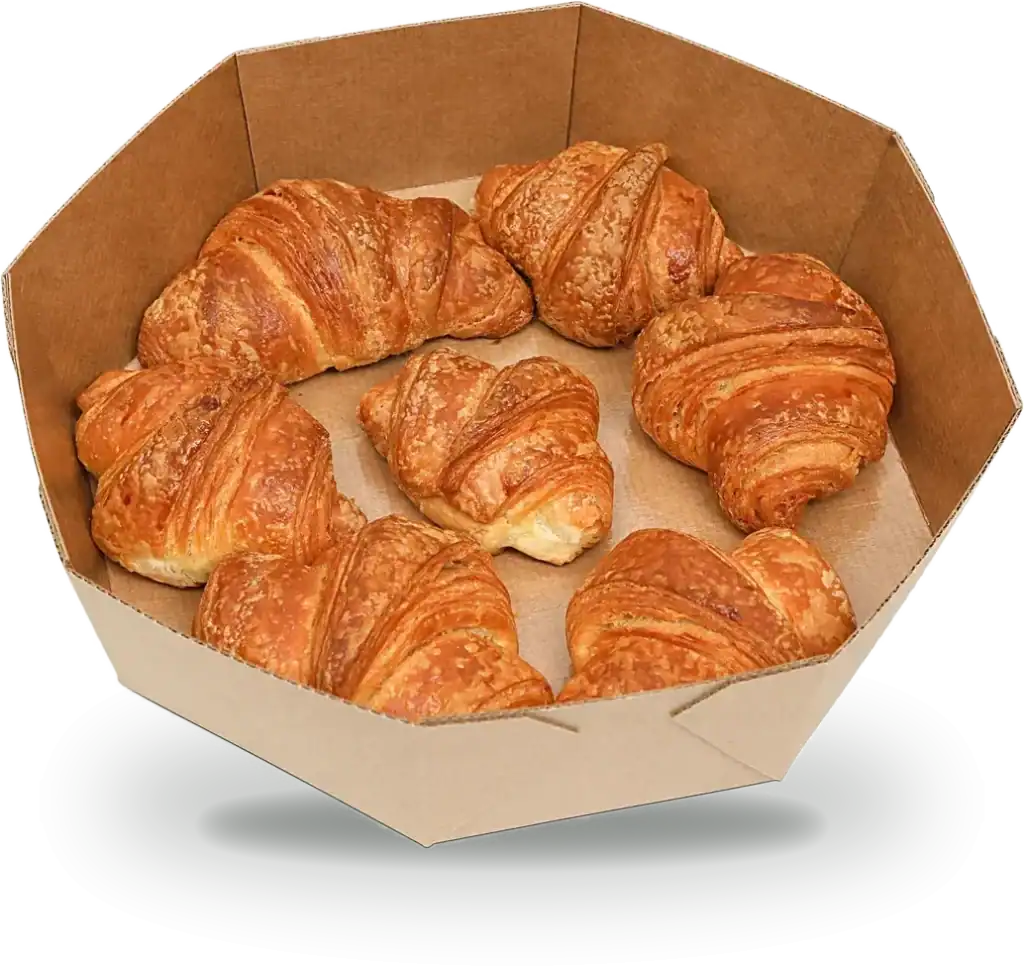
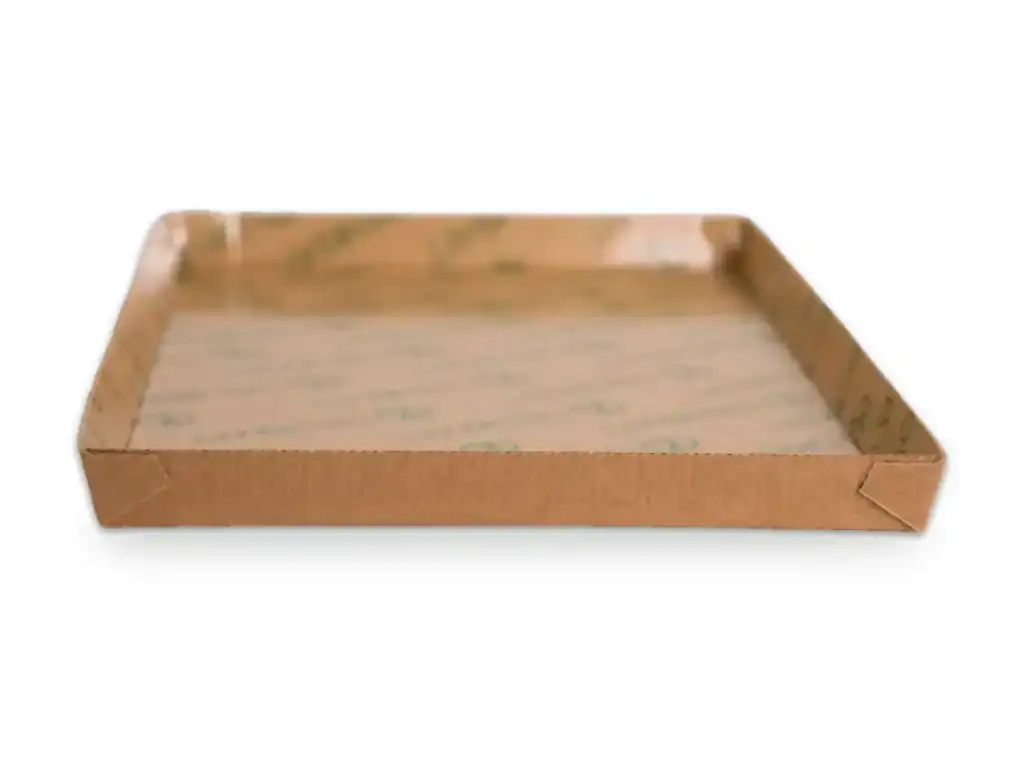
Oven Kraft produce trays are made in G-Flute 0.8 mm and F-Flute 1.2 mm board, in square, rectangular and octagonal formats for cherry tomatoes, grapes, berries and vegetables. Each format can be printed for retail display. See fresh produce formats.
This article is an overview, not legal advice. Confirm the rules and national exemptions for your products and markets.
Sources: Regulation (EU) 2025/40, Article 25 and Annex V; PPWR Connect, banned packaging formats guide.